
How many portable toilets does a farm need?
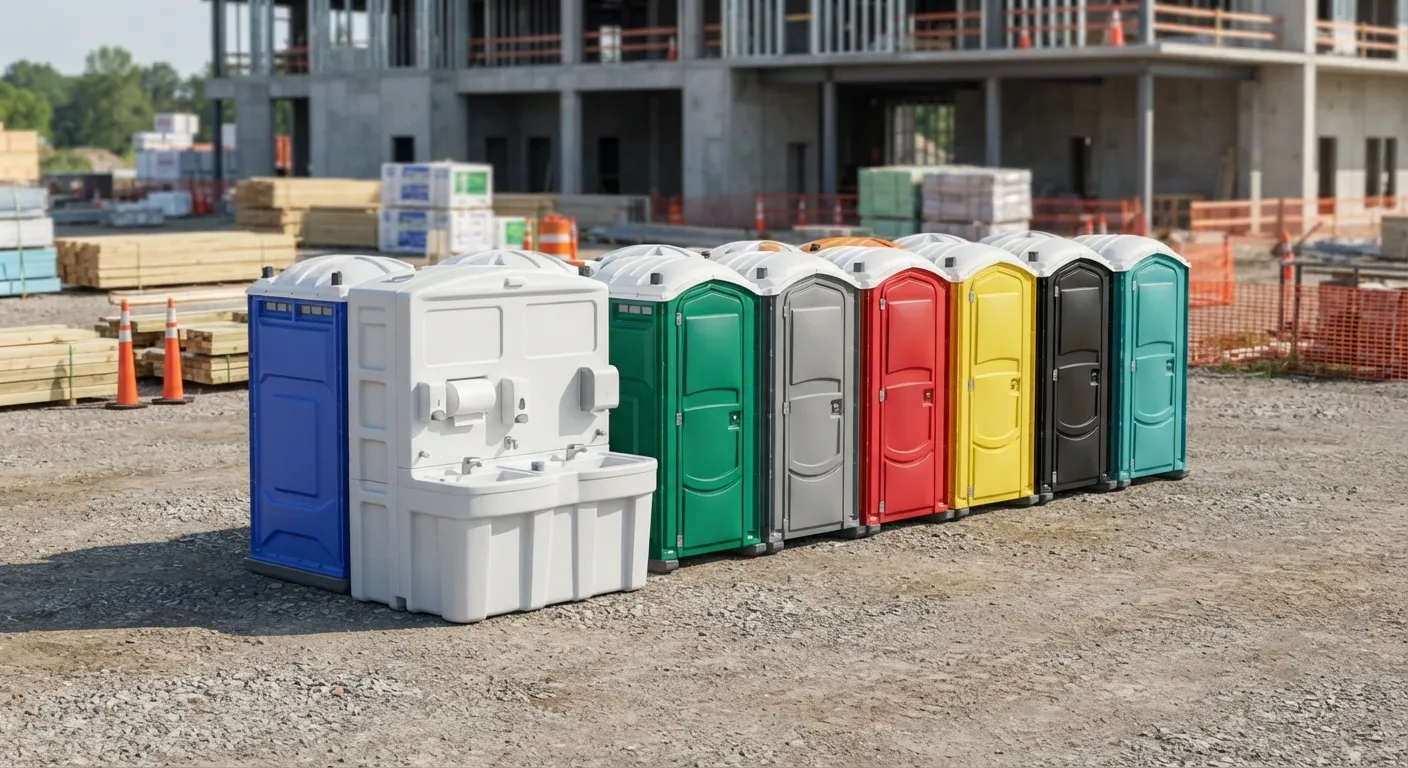
Start with OSHA 1928.110, the federal field sanitation standard for hand-labor agricultural work: one toilet facility per 20 employees, reachable within a quarter mile walk, with an adequate water supply under OSHA 1926.51(a)(1) nearby. A 15-worker harvest crew in Waterbury needs one unit close to the picking rows, not parked back at the barn. Spread workers across two distant fields and you need two units, because the quarter mile limit does not stretch for a single centrally parked toilet. Most farm operations here rent a standard porta potty rental for the season rather than juggling daily swaps, and pricing by the month runs $125 to $325 depending on unit count and service frequency. If your crew works seasonal harvest with tight labor peaks, check our porta potty rental cost breakdown before you commit to a size. Farms running hay, orchard, or vegetable operations near Bristol, about 11.9 miles northeast of Waterbury, face the same walk-distance math, just with different field layouts. We also handle irrigation-heavy properties where standing water near a unit matters for placement; our porta potty placement guide covers ground stability and drainage. For crews spread across multiple fields on one property, use our how many porta potties do I need tool to work out unit count before delivery day.
What if pesticide or fertilizer handling is involved?
Farms applying pesticides, herbicides, or coatings must provide washing facilities under OSHA 1926.51(f)(1), which applies specifically to paint, coating, herbicide, and insecticide operations, not general field hygiene. That means a handwashing station separate from the toilet unit, stocked the way 29 CFR 1910.141(d)2 requires: soap and towels or a hand dryer, not hand sanitizer alone. We deliver handwashing station rental units alongside portable sink rental setups sized for crews mixing chemicals or handling treated seed. A hand sanitizer station covers casual contact between rows, but it does not satisfy the washing requirement once herbicide or insecticide application starts, so we recommend pairing a hand sanitizer station rental with a proper wash unit rather than substituting one for the other. Waterbury growers running greenhouse or nursery operations with regular spray schedules should read our handwashing requirements page before the first application of the season. On larger properties we also place temporary fence rental around chemical storage or mixing areas, and a light tower rental if crews work past dusk during planting or harvest windows. Grease trap and septic questions come up on farms with on-site processing kitchens or farm stands; our grease trap pumping crew services those separately from field sanitation.
Do farms need septic or holding tank service too?
Yes, especially where a farmhouse, packing shed, or farm stand runs its own septic system rather than tying into municipal sewer. A residential septic tank is typically pumped every 3 to 5 years depending on tank size and household or operation load, and a system serving a busy farm stand kitchen fills faster than one serving a single house. We run septic pumping service calls throughout Waterbury and handle both scheduled pumping and emergency backups through emergency septic service. Properties without sewer access sometimes need a holding tank rental for seasonal labor housing, since a bunkhouse full of harvest workers generates more wastewater than a septic system built decades ago was sized for. Watch for slow drains, standing water near the leach field, or sewage odor indoors; our septic tank warning signs page walks through what to check before a system fails during peak harvest. Farms near Southington, about 12.4 miles east of Waterbury, and Meriden, roughly 15.2 miles east, call us for the same combination: field toilets during the season, septic service for the farmhouse year-round. If you are budgeting the full year, our septic tank pumping cost page and porta potty rental per day page cover both sides of that spend.
How far in advance should I book for harvest season?
Book two to three weeks out if possible. Harvest windows compress fast and everyone in Waterbury wants units the same week. We can do emergency turnarounds through emergency porta potty rental, but planned delivery gets you better placement and avoids a rushed setup on uneven field ground.
Can one unit serve two adjacent fields?
Only if both fields sit within the quarter mile walk distance required by OSHA 1928.110. Measure from the farthest work point, not the field edge. If workers split across fields wider than that, you need a second unit rather than one placed at the midpoint.
What about ADA access for farm workers or visitors?
Where you cluster multiple units, at least 5 percent must be accessible under ADA Standards 213.2, with a minimum 60 inch turning circle per section 304.3.1. Farm stands open to the public should plan for at least one accessible unit; see ADA accessible porta potty for specs.
Do I need a permit to place units on my own farmland?
Placement on private agricultural land is different from placement in a public right of way, and city rules vary by parcel and zoning. Confirm specifics with Waterbury's permitting office before delivery; see our porta potty permit requirements page for what to ask.
How often are units serviced during a full growing season?
The baseline under ANSI/PSAI Z4.3 is one service visit per week for up to 10 users across a 40 hour week. Larger crews or longer days need more frequent pumping. We schedule around your harvest calendar rather than a fixed weekly slot.
Next step
Get a delivery date
Tell us the address, the dates and the headcount. We size the order and confirm the route.