
Where Should a Porta Potty Go On My Property?
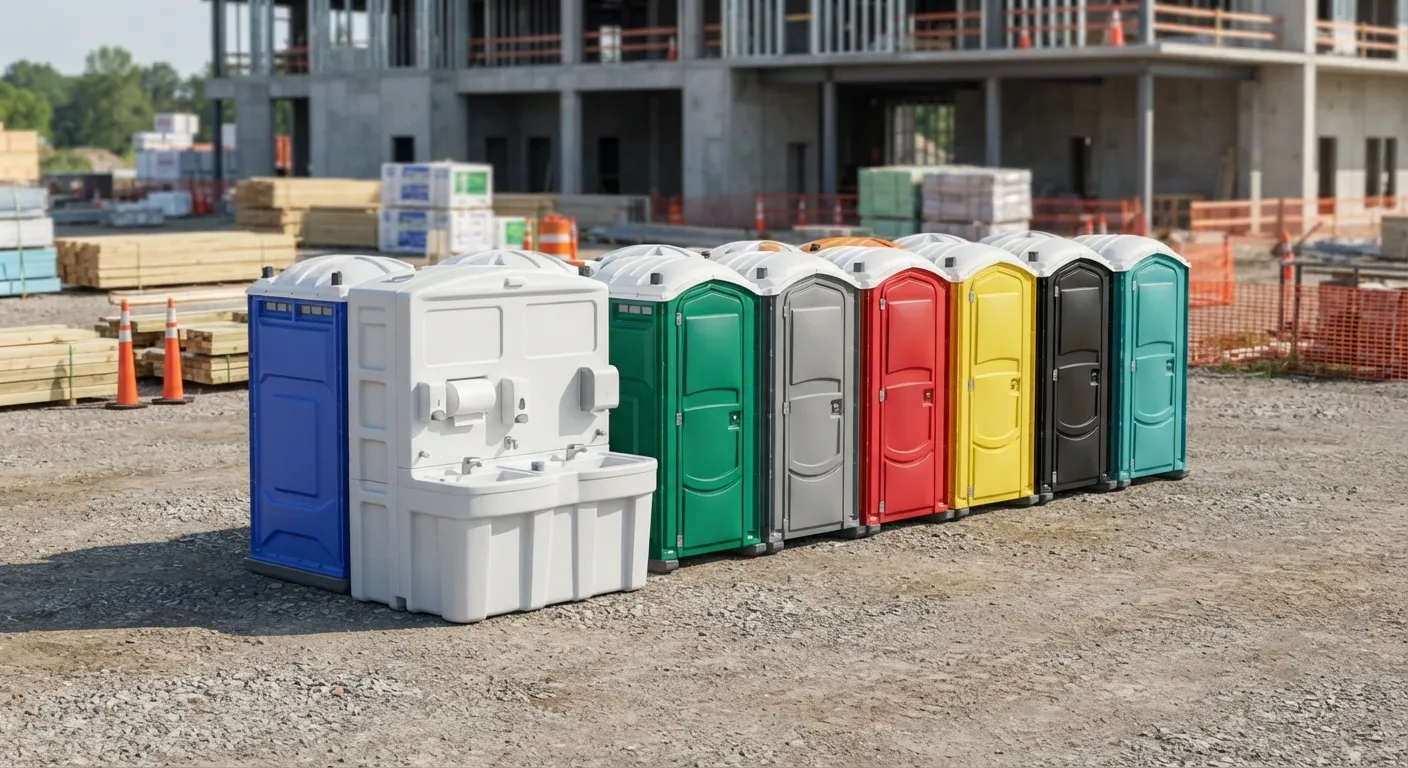
Pick level ground first. A standard porta potty rental needs about 44 by 48 inches of footprint and stands roughly 92 inches tall, so give it clearance from low branches and gutters. Avoid soft lawn after rain; a service truck needs to reach the unit weekly, and ANSI/PSAI Z4.3 sets that once-a-week visit as the baseline for up to 10 users over a 40 hour week. If the site sits on a slope, ask about anchoring, since wind and foot traffic can tip a unit on uneven ground. For events, our porta potty placement guide team usually walks the lot before delivery day. Keep units away from storm drains and within reach of the delivery route; Waterbury driveways with tight turns sometimes need the unit set closer to the street than the customer expects. If you are placing several, our how many porta potties do I need guide helps you size the count before you plan the layout, and the porta potty rental checklist covers what to confirm with us before drop-off.
Do I Need a Permit for Placement in Waterbury?
Placement in the public right of way, meaning the sidewalk, street or curb strip, needs confirming with the city before delivery, and we have not verified a specific Waterbury ordinance number for this page, so ask your permit office directly. Private lots and job sites you control generally do not carry that same review. This is also true for a roll-off dumpster rental: dumpster placement permit cost and rules vary by whether the container sits on your property or spills onto public pavement, and our dumpster permit requirements page walks through what to ask the city. Construction sites already tracking OSHA portable toilet requirements should place the toilet near the work area but outside the swing radius of equipment. OSHA 1926.51(c)(1) sets toilet counts by crew size on construction sites, one unit for 20 workers or fewer, scaling up from there, and that ratio should drive both count and placement so nobody has to walk far.
What Ground Conditions Cause Placement Problems?
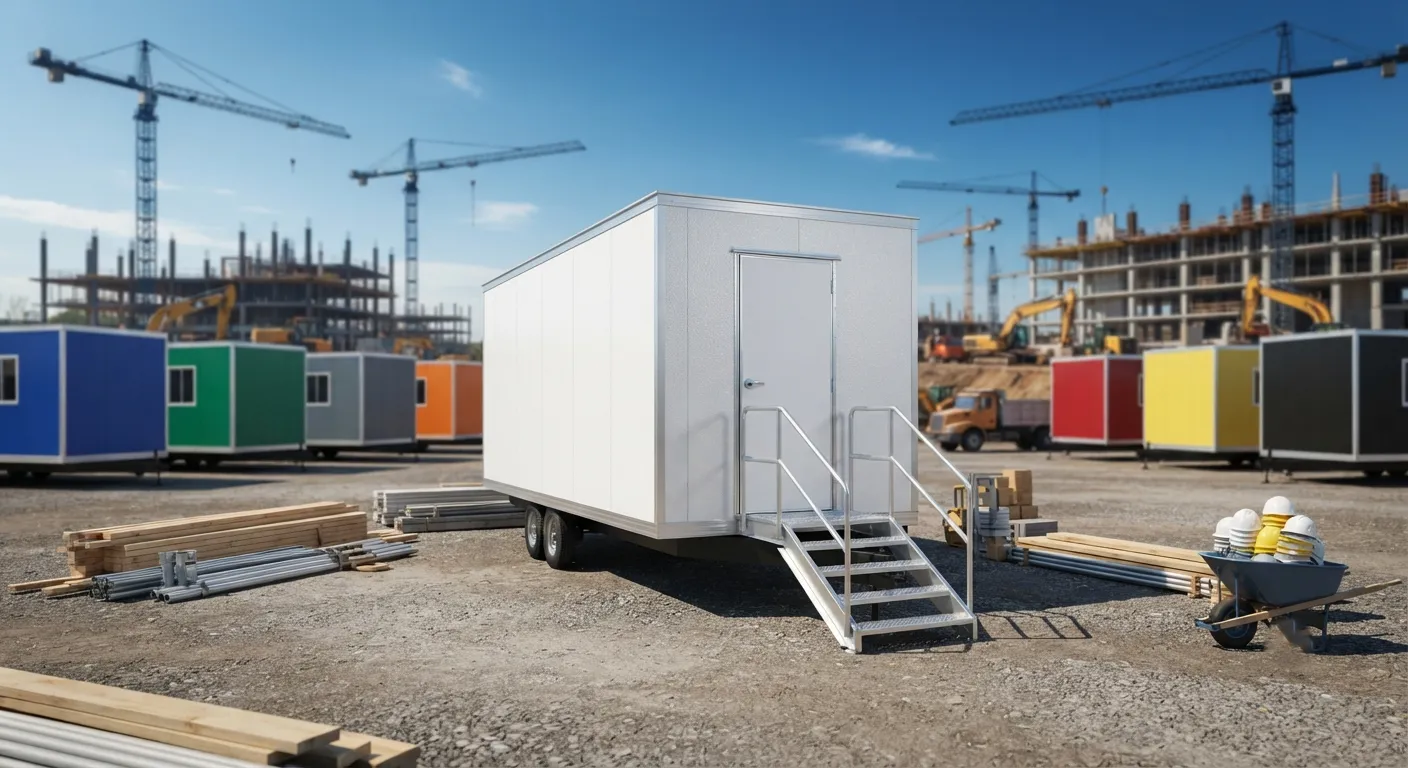
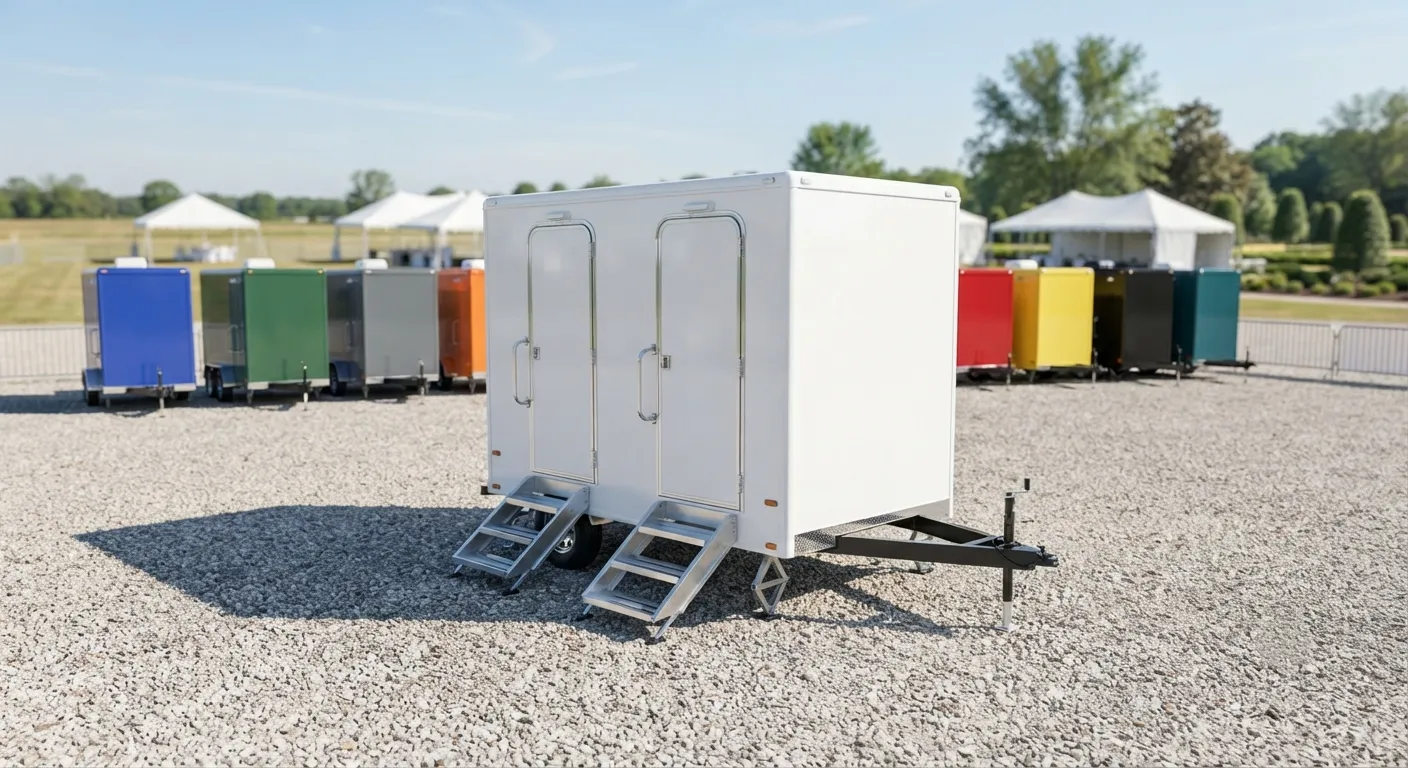
Soft dirt, slopes over a gentle grade and low spots that pond water are the three biggest issues we see on Waterbury sites. A delivery truck for a roll-off dumpster rental needs about 60 feet of straight clearance behind it to set the container down safely, and that same clearance thinking applies to restroom trailers on tight urban lots. If you are renting a 4 stall restroom trailer or an 8 stall restroom trailer for a wedding or festival, the trailer needs a level pad and, ideally, access to a 30 amp circuit; ask us about power needs when you book. ADA Standards section 302.1 requires floor and ground surfaces on an accessible route to be stable, firm and slip resistant, which rules out loose gravel or wet turf for an ADA accessible porta potty path. Winter placement in Waterbury adds another wrinkle since freeze-thaw cycles can shift a gravel pad; our porta potty in winter page covers what changes seasonally. Storage units and office trailers face similar footing rules; a storage container rental or mobile office trailer rental also needs a level, compacted surface, and if a trailer arrives with damaged mobile office trailer replacement doors from a prior job, flag it at delivery so we can swap the unit before it goes on site.
How Far From the Building Should Units Sit?
Close enough to walk in under a minute, far enough that servicing does not block a doorway or fire exit. ADA Standards section 403.5.1 calls for a minimum 36 inch clear width on the accessible route leading to the unit, and ADA Standards section 213.2 requires at least 5 percent of a cluster of single-user units to be accessible, never fewer than one. Keep a deluxe flushable porta potty or luxury restroom trailer near a water source if you are also running a handwashing setup; if you are sourcing ozark river portable sink replacement parts for an existing unit, tell us the model when you call so we can match parts or swap the sink outright. Grease traps and septic tanks follow their own distance rules tied to access for pumping trucks; a placerville septic pumping service story we hear often is a tank buried too close to a fence line with no truck access, so leave room for the hose. Our septic pumping service and grease trap pumping crews need a clear path from the street to the tank lid.
How much clearance does a porta potty need behind it for service?
Plan for a few feet of open space behind and beside the unit so the service truck can reach the tank without moving parked cars or equipment. Tight alleys and narrow Waterbury driveways sometimes require the unit set closer to the curb than the ideal spot.
Can I place a porta potty on pavement instead of grass?
Yes, and pavement is often the better choice since ADA Standards section 302.1 wants a stable, firm, slip resistant surface. Asphalt and concrete pads drain better than turf and hold up through repeated weekly service visits.
Do dumpsters and porta potties need separate placement permits?
Sometimes. Right of way placement for either needs confirming with Waterbury directly, since rules differ for street versus private lot placement. Private driveways and job sites you control usually skip that extra review step.
What happens if the ground is too soft for delivery?
We will suggest an alternate spot or ask about adding mats or gravel first. A stuck delivery truck costs more time than picking firmer ground before the truck ever leaves our yard.
How close can a unit sit to Bristol or Southington event venues?
Placement rules follow the venue's own lot conditions, not the town line. Bristol sits about 11.9 miles northeast and Southington about 12.4 miles east of Waterbury, both within normal same-day delivery range for our trucks.
Next step
Get a delivery date
Tell us the address, the dates and the headcount. We size the order and confirm the route.